


The Value of Sod Installation: Why It’s Worth the Investment
- zinkservices17
- Nov 24, 2025
- 4 min read
Updated: 2 days ago
Understanding Sod Installation Costs
When considering sod installation, it’s important to understand what factors influence the overall cost. Sod installation costs vary depending on several elements:
Type of sod: Different grass varieties have different prices. For example, Bermuda grass tends to be less expensive than Zoysia or St. Augustine.
Size of the area: The larger the lawn, the higher the cost due to more sod rolls and labor.
Preparation work: Costs increase if the soil needs grading, debris removal, or fertilization before laying sod.
Labor charges: Professional installation fees vary by region and company.
Additional services: Irrigation setup, soil amendments, and ongoing maintenance can add to the total expense.
On average, sod installation costs range from $1 to $2 per square foot, including materials and labor. For a typical 1,000 square foot lawn, expect to pay between $1,000 and $2,000.

Why Pay for Sod Installation?
Many homeowners wonder if they can save money by installing sod themselves. While DIY sod installation is possible, professional installation ensures:
Proper soil preparation for better root growth.
Correct laying techniques to avoid gaps and uneven surfaces.
Faster establishment of a healthy lawn.
Professional landscapers also have access to quality sod and equipment, which can reduce long-term maintenance costs.
Benefits of Sod Installation
Sod installation offers several advantages over seeding or artificial turf. Here are some key benefits:
Instant Lawn and Curb Appeal
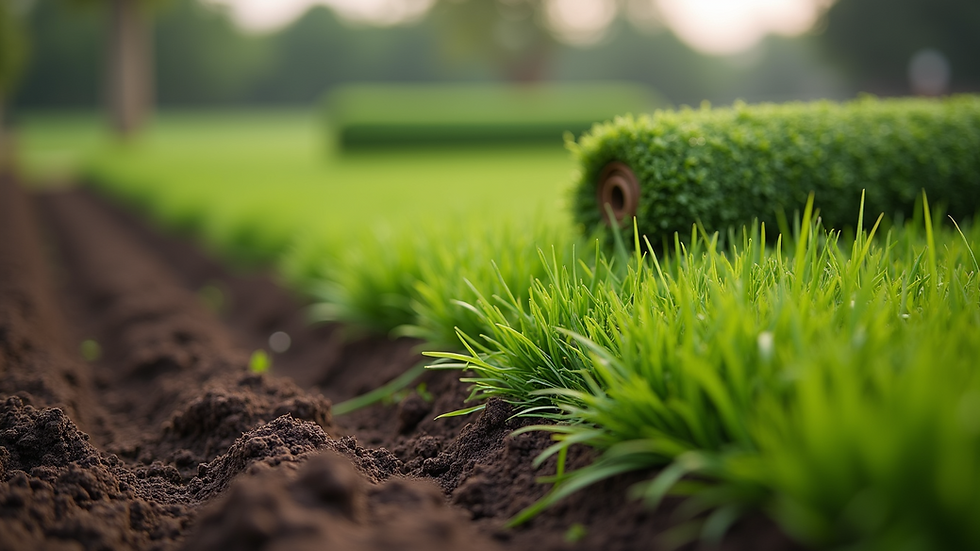
One of the biggest reasons people choose sod is the instant transformation it provides. Unlike seeding, which can take weeks or months to grow, sod gives you a fully grown lawn immediately. This is especially valuable for:
New homeowners wanting a move-in ready yard.
Properties preparing for events or sales.
Areas where erosion control is needed quickly.
Better Weed Control and Soil Protection
Sod acts as a natural barrier against weeds, reducing the need for herbicides. It also protects soil from erosion caused by wind and rain, which is crucial on slopes or newly graded land.
Improved Water Efficiency
Established sod has a dense root system that helps retain moisture better than seeded lawns. This means less frequent watering and a healthier lawn during dry spells.
Enhanced Property Value
A well-maintained lawn improves the overall appearance of your property, increasing curb appeal and potentially boosting resale value. A green, lush lawn is often a top priority for buyers.

How Much Do Landscapers Charge to Install Plants?
While sod installation focuses on grass, many homeowners also consider planting shrubs, flowers, or trees to complement their lawn. Landscapers typically charge for plant installation based on:
Type and size of plants: Larger or rare plants cost more to install.
Quantity: Bulk planting may reduce per-plant costs.
Site preparation: Soil amendments, mulching, and irrigation setup add to labor.
Accessibility: Difficult terrain or tight spaces can increase charges.
On average, landscapers charge between $50 and $150 per plant installation, including labor and materials. For larger projects, some companies offer package deals that include both sod and plant installation.
If you are considering a full landscape installation that includes sod and plants, it’s best to get a detailed quote from a professional to understand all costs involved.
Tips for a Successful Sod Installation
To maximize the benefits of your sod installation and protect your investment, follow these practical tips:
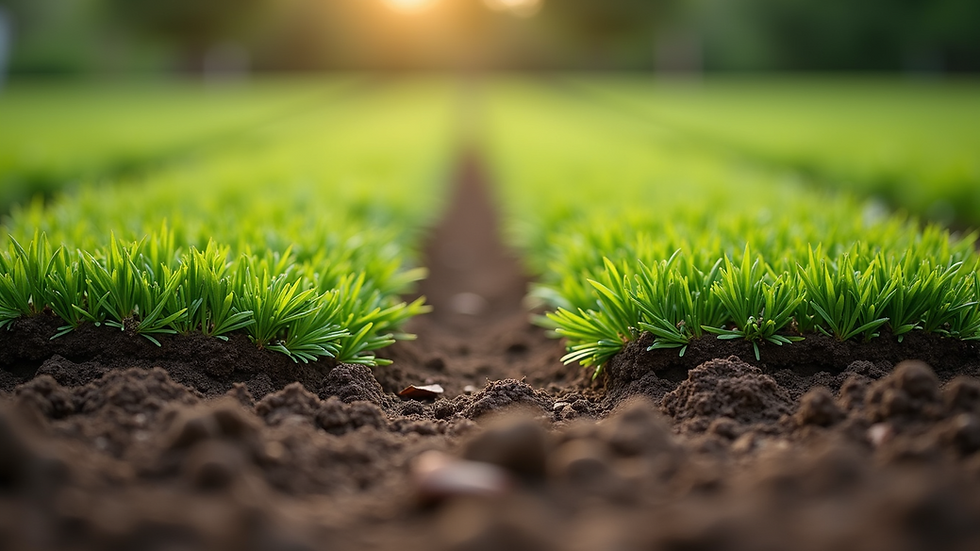
Prepare the Soil Properly
Remove rocks, debris, and old grass.
Till the soil to a depth of 4-6 inches.
Add compost or fertilizer to improve soil fertility.
Level the ground to avoid water pooling.
Choose the Right Sod Type
Select a grass variety suited to your climate, soil type, and lawn usage. For example:
Cool-season grasses like Kentucky bluegrass thrive in northern regions.
Warm-season grasses like Bermuda are better for southern climates.
Water Immediately and Consistently
New sod needs frequent watering to establish roots. Water daily for the first two weeks, keeping the soil moist but not soggy.
Avoid Heavy Traffic
Limit foot traffic on the new lawn for at least three weeks to allow roots to anchor properly.
Regular Maintenance
Mow the lawn once it reaches 3 inches in height, but never cut more than one-third of the blade length at a time. Fertilize according to the grass type and season.

Long-Term Value of Sod Installation
While sod installation costs might seem high initially, the long-term benefits make it a smart investment:
Reduced maintenance: Less weeding, reseeding, and watering compared to seeded lawns.
Faster usability: Enjoy your lawn sooner for outdoor activities and gatherings.
Environmental benefits: Sod helps reduce soil erosion, improves air quality, and cools the surrounding area.
Aesthetic appeal: A healthy, green lawn enhances your home’s beauty year-round.
By choosing professional sod installation, you ensure a durable, attractive lawn that adds value and enjoyment to your property for years to come.
Conclusion: Investing in Your Outdoor Space
Investing in sod installation is more than just paying for grass - it’s about creating a beautiful, functional outdoor space that enhances your lifestyle and property value. With proper planning and care, the costs you incur today will pay off in a vibrant, healthy lawn tomorrow.
In summary, the benefits of sod installation far exceed the initial costs. From immediate curb appeal to long-term environmental advantages, sod is a wise choice for any property owner.

Comments