


Essential Tips for Successful Landscape Installation
- zinkservices17

- Nov 20
- 3 min read
Creating a beautiful outdoor space requires more than just planting flowers and laying down sod. A successful landscaping project involves careful planning, selecting the right materials, and understanding the environment. Whether you are a homeowner looking to enhance your garden or a property manager aiming to boost curb appeal, these essential landscaping project tips will guide you through the process smoothly.
Planning Your Landscaping Project Tips
Before you start digging or buying plants, it’s crucial to plan your landscaping project carefully. Planning helps you avoid costly mistakes and ensures your outdoor space looks cohesive and functional.
Assess Your Space: Measure your yard and note existing features like trees, slopes, and drainage patterns. This will help you decide where to place new elements.
Define Your Goals: Are you aiming for a low-maintenance garden, a play area for kids, or a space for entertaining guests? Knowing your goals will guide your design choices.
Create a Budget: Landscaping costs can add up quickly. Set a realistic budget that includes plants, materials, labor, and unexpected expenses.
Choose a Style: Decide on a theme or style that complements your home’s architecture and your personal taste. Popular styles include modern, rustic, tropical, and cottage gardens.
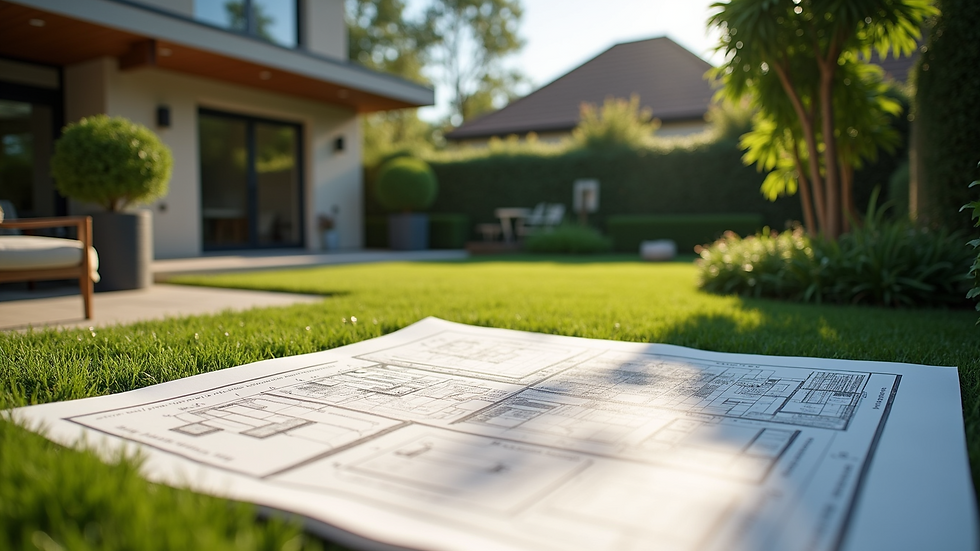
Draw a Layout: Sketch a rough design of your yard, marking where you want to place plants, pathways, patios, and other features.
Taking the time to plan thoroughly will save you headaches later and help you achieve a landscape you love.
Selecting the Right Plants and Materials
Choosing the right plants and materials is key to a thriving landscape. Consider the climate, soil type, and sunlight exposure in your area to select plants that will flourish.
Native Plants: These are adapted to your local environment and require less water and maintenance.
Seasonal Interest: Mix plants that bloom at different times of the year to keep your garden colorful year-round.
Soil Preparation: Test your soil and amend it with compost or other nutrients to create a healthy growing environment.
Hardscaping Materials: Select durable materials for paths, patios, and retaining walls. Options include natural stone, brick, concrete, and wood.
Irrigation Systems: Consider installing drip irrigation or sprinklers to keep your plants hydrated efficiently.
By carefully selecting plants and materials, you ensure your landscape remains beautiful and sustainable.

How Much Do Landscapers Charge to Install Plants?
Understanding the cost of professional landscaping services can help you budget effectively. Landscapers typically charge based on the size of the project, the complexity of the design, and the types of plants used.
Per Plant Installation: Some landscapers charge a flat fee per plant, which can range from $20 to $100 depending on the plant size and species.
Hourly Rates: Labor charges may range from $50 to $100 per hour.
Project-Based Pricing: For larger projects, landscapers might offer a package price that includes design, plant installation, and hardscaping.
Additional Costs: Don’t forget to factor in costs for soil preparation, mulch, irrigation, and cleanup.
Getting multiple quotes and asking for detailed estimates will help you find a landscaper who fits your budget and needs.

Tips for Efficient Landscape Installation
When it’s time to start your landscape installation, efficiency and organization are essential. Here are some tips to keep the process smooth:
Prepare the Site: Clear debris, remove weeds, and level the ground before planting.
Follow the Design: Stick to your layout plan to avoid last-minute changes that can increase costs.
Plant Properly: Dig holes twice as wide as the root ball and water plants immediately after planting.
Mulch and Water: Apply mulch to retain moisture and reduce weeds. Water plants regularly, especially during the first few weeks.
Use the Right Tools: Having the proper tools on hand, such as shovels, rakes, and gloves, speeds up the work and reduces strain.
These practical steps will help your landscaping project progress without unnecessary delays.
Maintaining Your New Landscape
A beautiful landscape requires ongoing care to stay healthy and attractive. Here are some maintenance tips to keep your outdoor space thriving:
Regular Watering: Adjust watering schedules based on weather and plant needs.
Pruning and Trimming: Remove dead or overgrown branches to promote healthy growth.
Fertilizing: Feed your plants with appropriate fertilizers during the growing season.
Pest Control: Monitor for pests and diseases and treat them promptly.
Seasonal Cleanup: Clear fallen leaves and debris to prevent mold and pests.
Consistent maintenance ensures your investment in landscaping continues to pay off.
By following these essential landscaping project tips, you can create a stunning outdoor space that enhances your property’s value and enjoyment. Whether you choose to do it yourself or hire professionals, careful planning, smart plant selection, and proper care are the keys to success.

Comments