


Transform Your Yard with Professional Sod Installation
- zinkservices17

- Nov 20
- 4 min read
Transforming your yard into a lush, green oasis can be a rewarding project. One of the fastest and most effective ways to achieve a beautiful lawn is through professional sod installation. This method offers instant results, durability, and a healthy lawn that can enhance your outdoor space. In this article, we will explore the sod installation process, its benefits, and how it compares to other lawn solutions. Whether you are starting from scratch or renovating an existing yard, understanding the steps and advantages of sod installation will help you make an informed decision.
Understanding the Sod Installation Process
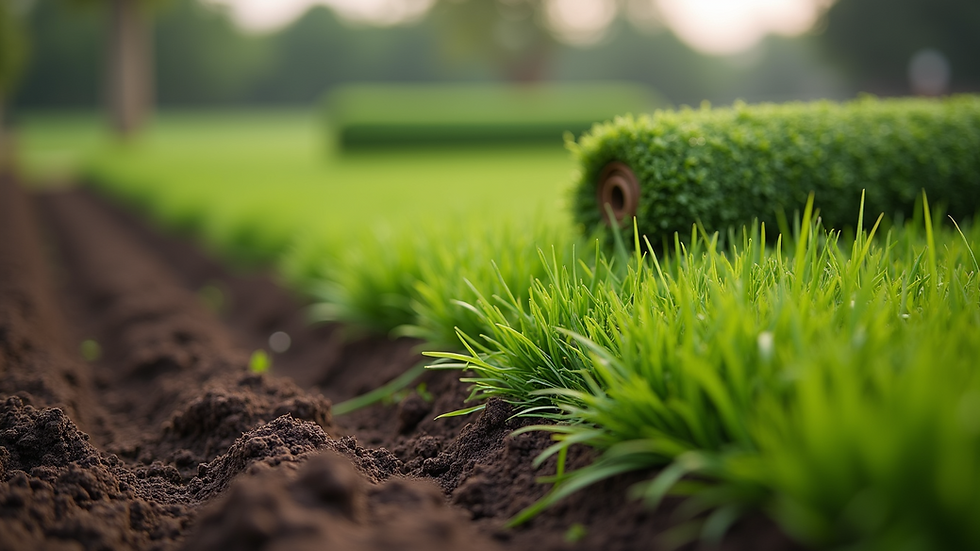
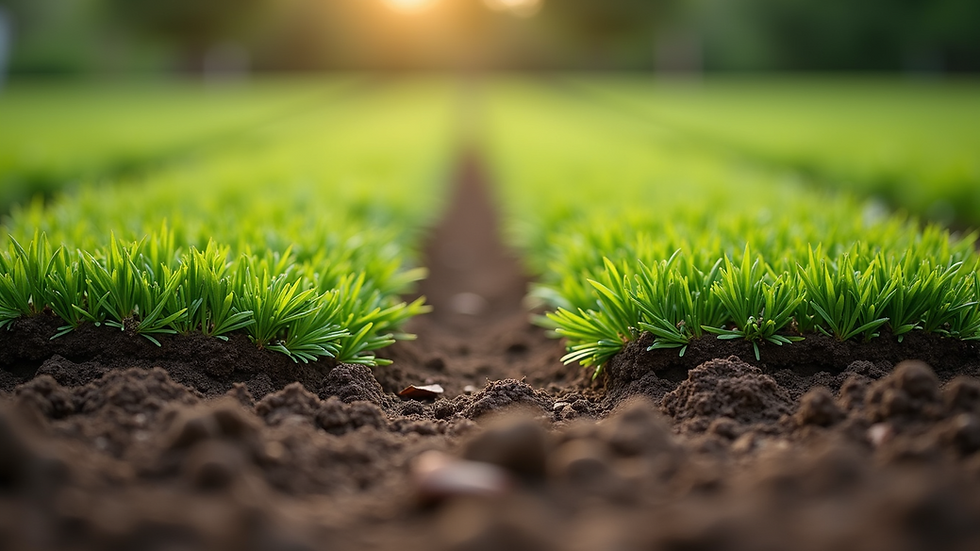
The sod installation process involves several key steps to ensure your new lawn thrives. First, the area must be properly prepared by removing any old grass, weeds, and debris. This preparation is crucial for the sod to root well and establish itself. Next, the soil is graded and leveled to promote proper drainage and prevent water pooling.
Once the ground is ready, the sod is laid in a staggered pattern, much like bricks, to avoid visible seams and gaps. Each piece of sod is pressed firmly into the soil to eliminate air pockets and encourage root contact. After installation, the lawn is watered thoroughly to help the sod settle and begin rooting.
Proper maintenance during the first few weeks is essential. This includes regular watering, avoiding heavy foot traffic, and mowing at the right height. Following these steps ensures your sod lawn will grow strong and healthy.

Benefits of Choosing Sod Over Seeding
Choosing sod over traditional seeding offers several advantages that make it an attractive option for many homeowners. One of the most significant benefits is the instant gratification of a green lawn. Unlike seeds, which can take weeks or months to germinate and fill in, sod provides immediate coverage and beauty.
Sod also helps control erosion and weed growth more effectively. Since the grass is already mature, it can outcompete weeds and stabilize the soil quickly. This is especially beneficial on slopes or areas prone to erosion.
Another advantage is the reduced maintenance in the early stages. Seeded lawns require careful watering and protection from birds and pests, while sod lawns are more resilient and easier to care for initially.
Finally, sod installation can be scheduled to fit your timeline, making it a convenient choice for those who want a quick yard transformation without the uncertainty of seed germination.

What is landscaping installation?
Landscaping installation refers to the process of designing and implementing outdoor spaces to enhance their aesthetic and functional value. This can include planting trees, shrubs, flowers, installing hardscapes like patios and walkways, and laying sod for lawns. Professional landscaping installation combines creativity with technical expertise to create beautiful, sustainable environments.
Sod installation is a critical part of landscaping installation because a healthy lawn forms the foundation of most outdoor designs. It complements other elements such as flower beds, garden paths, and outdoor living areas. When done professionally, landscaping installation ensures that all components work harmoniously and thrive in their environment.
For those interested in a comprehensive approach to improving their outdoor space, exploring professional landscape installation services can provide expert guidance and quality results.

Tips for Maintaining Your New Sod Lawn
Maintaining your new sod lawn properly is essential to ensure it grows healthy and lasts for years. Here are some practical tips to help you care for your sod:
Watering: Keep the sod moist but not waterlogged. Water daily for the first two weeks, preferably in the early morning or late evening to reduce evaporation.
Mowing: Wait until the grass reaches about 3 inches in height before the first mow. Use a sharp blade and never cut more than one-third of the grass height at a time.
Fertilizing: Apply a balanced fertilizer about 4-6 weeks after installation to promote root growth and overall health.
Avoid heavy traffic: Limit foot traffic on the new sod for the first few weeks to allow roots to establish.
Weed control: Keep an eye out for weeds and remove them promptly. Avoid using herbicides until the sod is well established.
By following these steps, you can enjoy a vibrant, green lawn that enhances your outdoor living space.
Enhancing Your Yard Beyond Sod Installation
While sod installation dramatically improves your yard’s appearance, combining it with other landscaping elements can create a truly stunning outdoor environment. Consider adding flower beds, shrubs, or trees to add color and texture. Installing pathways or patios can increase functionality and provide spaces for relaxation and entertainment.
Irrigation systems can also be integrated to maintain your lawn and plants efficiently. Proper lighting can highlight your yard’s best features and extend usability into the evening.
Professional landscaping services can help you design and implement these enhancements, ensuring your yard is both beautiful and practical.
Transforming your yard with professional sod installation is a smart investment that delivers quick, lasting results. By understanding the sod installation process, its benefits, and maintenance requirements, you can create a lush, green lawn that enhances your home’s curb appeal and outdoor enjoyment. For a complete outdoor makeover, consider combining sod with other landscaping features and expert landscape installation services. Your dream yard is just a sod installation away!

Comments